

Mental Simulations and Other Ways to Make Better Decisions
Do you follow a formalized process or framework for making decisions? Probably not. Although many of us are familiar with the decision-making process of understanding the problem, identifying and evaluating alternatives, then choosing the alternative with the highest rating, we usually don't go through all these steps. Instead, we use heuristics, rely on past results, or follow other people's actions.

Why Reflection Is Important
Reflection can help us improve performance through learning while at the same time increasing our sense of well-being. Reflection allows us to appreciate positive experiences. From schoolrooms to boardrooms, reflection is essential for learning, helping us to give meaning to our experience, learn from mistakes and increase purpose-driven action.

Create Time Abundance and Have the Time of Your Life
The only decision we make is how to spend our time. What we choose to do and who we choose to be with at any moment. Everything else in our life stems from this decision. What we achieve. What relationships we build. What skills we develop. We are the sum of what we choose to do with our time.

The illusion of effortlessness
We like performance that looks effortless. Truth is that top performers work hard. They’ve evaluated more business plans, played more scales, sunk more layups, or painted more canvases than the rest of us. They’ve honed their skills through intentional learning and deliberate practice.

The illusion of effortlessness
We like performance that looks effortless. Truth is that top performers work hard. They’ve evaluated more business plans, played more scales, sunk more layups, or painted more canvases than the rest of us. They’ve honed their skills through intentional learning and deliberate practice.

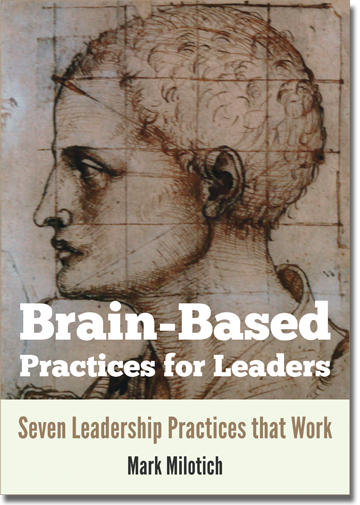
Chock full of the latest brain science to explain not just what you should do to be a great leader & manager but importantly—WHY.
Well thought out and researched, brilliantly structured and with great and positive advice.
Great read, direct and to the point. No fluff. Great for reference.
Interesting read. Simple approach.

The Message Is Clear
Emails can be sent across the world in a matter of seconds but that doesn’t mean effective messages take no time at all. To deliver results with offshore team members, project managers must actively work at understanding how their own background influences their methods and behavior.
Dissonance, Decision-Making, and Relationships
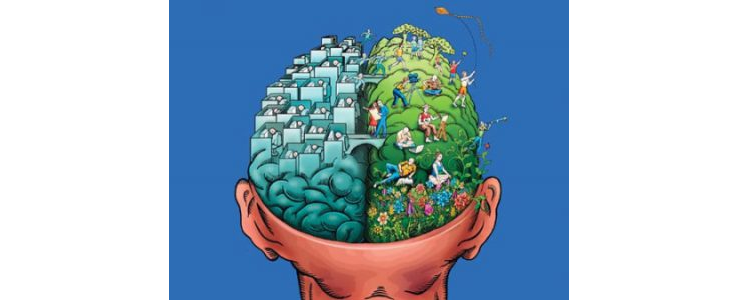
The motivation to reduce cognitive dissonance drives much of our irrational behavior. We choose to deceive ourselves rather than admit we were wrong. Being able to recognize when we are in a state of dissonance can help us make better decisions and improve our relationships.

The Language of Leaders
The language of leaders is we. Psychologist James Pennebaker shows how little words like "I", "we", and "the" reveal much about our relationships, honesty, and social status. The results are not what you might expect!

FUD Busters: Reducing fear, uncertainty, and doubt at work
Fear. Uncertainty. Doubt. The triple forces of FUD can unleash emotional turmoil that leads us to make poor decisions, hampers our productivity, and wrecks our health. FUD busters are brave leaders who set out to reduce fear, uncertainty, and doubt at work.

Dropping Your Tools: Letting Go of Non-Productive Habits
Having the right tools in our toolbox dramatically increases our chance of success. However, relying on the same tool all the time will hinder performance. As the saying goes: "If all you have is a hammer, every problem looks like a nail."

Put Your Signature Strengths To Work
What are you exceptionally good at? What do you love doing so much that you lose track of time when doing it? Chances are, your answers to these questions reveal what psychologists call your “signature strengths.” Learning how to use your signature strengths at work can mean the difference between success and failure—between flourishing and burnout.

The Power Pose
Does your body language have an impact on whether you close the sale or get the job offer? You bet it does. And in ways that might surprise you.
-
The Message Is Clear
Emails can be sent across the world in a matter of seconds but that doesn’t mean effective messages take no time at all. To deliver results with offshore team members, project managers must actively work at understanding how their own background influences their methods and behavior.
-
Dissonance, Decision-Making, and Relationships
The motivation to reduce cognitive dissonance drives much of our irrational behavior. We choose to deceive ourselves rather than admit we were wrong. Being able to recognize when we are in a state of dissonance can help us make better decisions and improve our relationships.
-
The Language of Leaders
The language of leaders is we. Psychologist James Pennebaker shows how little words like "I", "we", and "the" reveal much about our relationships, honesty, and social status. The results are not what you might expect!
-
FUD Busters: Reducing fear, uncertainty, and doubt at work
Fear. Uncertainty. Doubt. The triple forces of FUD can unleash emotional turmoil that leads us to make poor decisions, hampers our productivity, and wrecks our health. FUD busters are brave leaders who set out to reduce fear, uncertainty, and doubt at work.
-
Dropping Your Tools: Letting Go of Non-Productive Habits
Having the right tools in our toolbox dramatically increases our chance of success. However, relying on the same tool all the time will hinder performance. As the saying goes: "If all you have is a hammer, every problem looks like a nail."