

The illusion of correlation
Our brains are wired for pattern recognition. It’s an evolutionary trait that helped our ancestors survive (rustling grass = possible lion). Our ancestors rarely came to harm through false positives (they thought it was a lion, and it wasn’t), whereas the price for failing to recognize a link was high. Better to err on the side of caution than become lunch.

From Setback to Strength
Every leader faces moments that feel like a roadblock, when a crisis threatens to halt progress. However, these moments often look quite different with the benefit of hindsight. When viewed from the right perspective, what feels overwhelming now can become a turning point—sparking growth, innovation, and renewed commitment. As Carol Dweck puts it, “The view you adopt profoundly affects how you lead your life.”

The Tom Sawyer Method
In Mark Twain’s classic, Tom Sawyer convinces his friends to help him paint the fence—in fact, they beg Tom for the privilege of painting the fence—while he relaxes and eats an apple. Tom uses several influence strategies to influence his friends. To get someone to do what you want, find ways to increase value, decrease risk, and/or reduce cost from their perspective.

The Human Edge
AI is transforming not only how we work, but also how we lead. While AI can increasingly handle data analysis, pattern recognition, and decision-making at superhuman speed, core leadership capabilities remain deeply human—and are more critical than ever. Put simply, machines stumble where empathy, ethics, and intuition hold sway—that is, in almost any situation where people work together toward a shared goal.
-
The illusion of correlation
Our brains are wired for pattern recognition. It’s an evolutionary trait that helped our ancestors survive (rustling grass = possible lion). Our ancestors rarely came to harm through false positives (they thought it was a lion, and it wasn’t), whereas the price for failing to recognize a link was high. Better to err on the side of caution than become lunch.
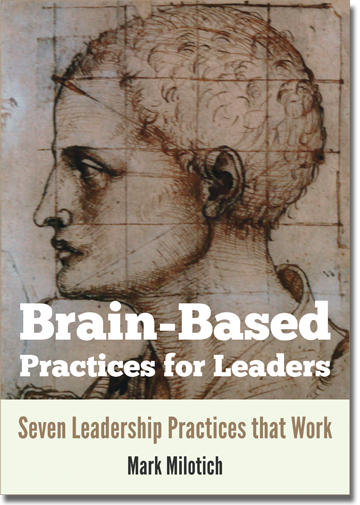
Chock full of the latest brain science to explain not just what you should do to be a great leader & manager but importantly—WHY.
Well thought out and researched, brilliantly structured and with great and positive advice.
Great read, direct and to the point. No fluff. Great for reference.
Interesting read. Simple approach.

Bounce Back and Overcome Setbacks
The long-term consequences of an event (good or bad) are determined largely by our reaction to the event. This is good news. While we can’t control whether we experience bad events, we can learn to control our reaction to the events.

Rebuilding trust in your team
Trust is a leader’s most valuable asset. Building it takes time but losing it can happen in an instant. A broken promise, a lapse in judgment, or a careless email can quickly erode trust. When trust is broken, your response is crucial. Be ready to repair and rebuild.

How to keep the (team) fire burning
Are things going well for you and your team? Are your projects humming along? If so, congratulations. Would you like to know how to keep it so?

The illusion of effortlessness
We like performance that looks effortless. Truth is that top performers work hard. They’ve evaluated more business plans, played more scales, sunk more layups, or painted more canvases than the rest of us. They’ve honed their skills through intentional learning and deliberate practice.

The illusion of effortlessness
We like performance that looks effortless. Truth is that top performers work hard. They’ve evaluated more business plans, played more scales, sunk more layups, or painted more canvases than the rest of us. They’ve honed their skills through intentional learning and deliberate practice.

A Mind to Grow
Attitude matters. A lot. If you think you can improve with hard work, you can. If you believe performance is limited by talent or physical characteristics, it is. Both are true. Talent matters. Anatomy makes a difference. But with the right attitude, you can overcome the limits of natural ability.


I Will—The Power of Public Commitments
You can influence a person’s future behavior by asking for a commitment and then waiting for them to give it. Making a commitment, however small, puts “skin in the game.” People want to act in ways that are consistent with what they have already said or done.
-
Bounce Back and Overcome Setbacks
The long-term consequences of an event (good or bad) are determined largely by our reaction to the event. This is good news. While we can’t control whether we experience bad events, we can learn to control our reaction to the events.
-
Rebuilding trust in your team
Trust is a leader’s most valuable asset. Building it takes time but losing it can happen in an instant. A broken promise, a lapse in judgment, or a careless email can quickly erode trust. When trust is broken, your response is crucial. Be ready to repair and rebuild.
-
How to keep the (team) fire burning
Are things going well for you and your team? Are your projects humming along? If so, congratulations. Would you like to know how to keep it so?
-
The illusion of effortlessness
We like performance that looks effortless. Truth is that top performers work hard. They’ve evaluated more business plans, played more scales, sunk more layups, or painted more canvases than the rest of us. They’ve honed their skills through intentional learning and deliberate practice.
-
The illusion of effortlessness
We like performance that looks effortless. Truth is that top performers work hard. They’ve evaluated more business plans, played more scales, sunk more layups, or painted more canvases than the rest of us. They’ve honed their skills through intentional learning and deliberate practice.