

Bounce Back and Overcome Setbacks
The long-term consequences of an event (good or bad) are determined largely by our reaction to the event. This is good news. While we can’t control whether we experience bad events, we can learn to control our reaction to the events.

Rebuilding trust in your team
Trust is a leader’s most valuable asset. Building it takes time but losing it can happen in an instant. A broken promise, a lapse in judgment, or a careless email can quickly erode trust. When trust is broken, your response is crucial. Be ready to repair and rebuild.

How to keep the (team) fire burning
Are things going well for you and your team? Are your projects humming along? If so, congratulations. Would you like to know how to keep it so?

Breaking Through the Local Optimum Trap
In today’s volatile business environment, the greatest risk isn’t making the wrong choice—it’s settling for merely good enough. Organizations (and individuals) often mistake incremental success for optimal performance, locking onto strategies that deliver steady results but miss transformational opportunities.

Setting Goals? Get an Attitude!
“Alea iacta est” (the die is cast) Julius Caesar is claimed to have said as he led his army across the Rubicon River in northern Italy in 49 BC, effectively declaring war against the forces of General Pompey. There was no turning back. In a similar, though less dramatic way, we all cross a point of no return every time we decide to take action to achieve a goal.
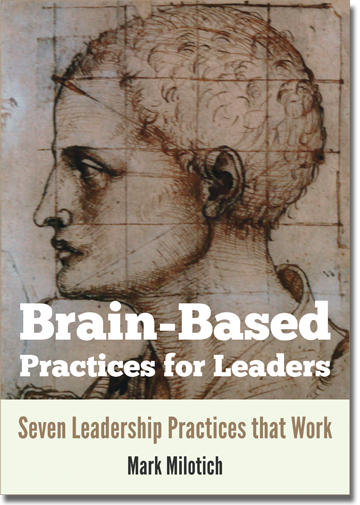
Chock full of the latest brain science to explain not just what you should do to be a great leader & manager but importantly—WHY.
Well thought out and researched, brilliantly structured and with great and positive advice.
Great read, direct and to the point. No fluff. Great for reference.
Interesting read. Simple approach.

Learning to Have a Difficult Conversation
Tom Truly is project manager on a project that has recently missed a deadline and lost a key customer. Sarah, the project sponsor, has called a meeting with Tom to discuss progress. She has been under pressure from senior management to “fix” the high-visibility project. Sarah is angry that Tom didn’t inform her in advance about the project issues. Every time she asked Tom how things were going, he answered: “Tip top!”

Shake, Rattle and Roll—Volatility Will Make Your Team Stronger
Volatility, uncertainty and error lead to unpredictable outcomes. This can be a major cause of stress. But volatility will help you if you have options that allow you to profit from the upside without bearing a large cost from the downside.

The Positivity Tipping Point
Do you know your positivity ratio? That’s the ratio of positive emotions to negative emotions you experience over time. Research shows that people who experience at least three times as many positive emotions as negative emotions are more likely to flourish.
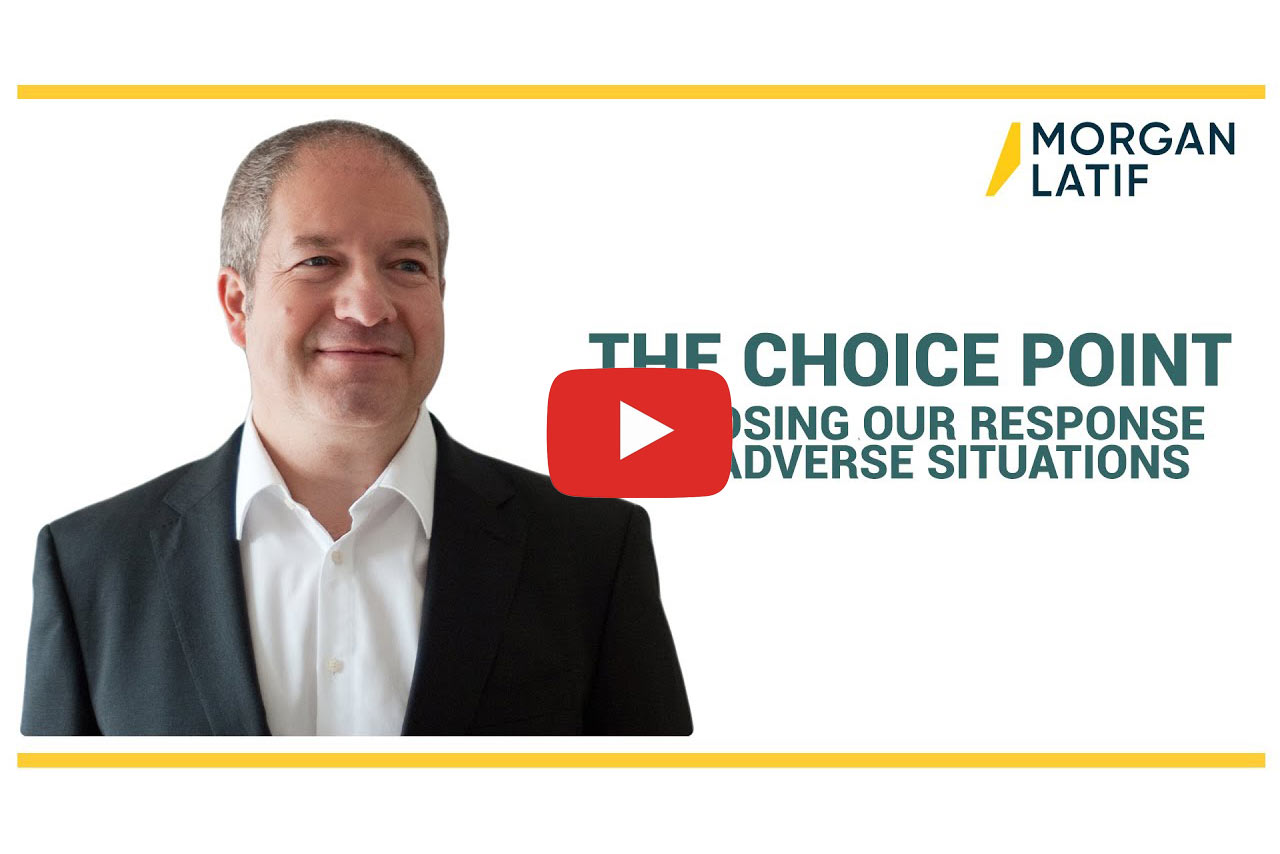
The Choice Point: Choosing Our Response to Adverse Situations
In this video, Sam Latif and I discuss the choice point—how we choose to respond to adversity. Specifically, the benefits and challenges of actively choosing our response in a situation, rather than acting on autopilot.

Keeping Stakeholder Relationships On Course, Part 2
In Part 1 of Keeping Stakeholder Relationship on Course you identified your stakeholders, analyzed their impact and set an influence strategy. Here I will discuss how to implement your influence strategy.

Keeping Stakeholder Relationships On Course
Managing stakeholder expectations can feel like steering a boat through rough seas. The “seascape” around the project is constantly changing. In this article I introduce an approach for managing stakeholders to maximize support and minimize interference.

Create Time Abundance and Have the Time of Your Life
The only decision we make is how to spend our time. What we choose to do and who we choose to be with at any moment. Everything else in our life stems from this decision. What we achieve. What relationships we build. What skills we develop. We are the sum of what we choose to do with our time.
-
Learning to Have a Difficult Conversation
Tom Truly is project manager on a project that has recently missed a deadline and lost a key customer. Sarah, the project sponsor, has called a meeting with Tom to discuss progress. She has been under pressure from senior management to “fix” the high-visibility project. Sarah is angry that Tom didn’t inform her in advance about the project issues. Every time she asked Tom how things were going, he answered: “Tip top!”
-
Shake, Rattle and Roll—Volatility Will Make Your Team Stronger
Volatility, uncertainty and error lead to unpredictable outcomes. This can be a major cause of stress. But volatility will help you if you have options that allow you to profit from the upside without bearing a large cost from the downside.
-
The Positivity Tipping Point
Do you know your positivity ratio? That’s the ratio of positive emotions to negative emotions you experience over time. Research shows that people who experience at least three times as many positive emotions as negative emotions are more likely to flourish.
-
The Choice Point: Choosing Our Response to Adverse Situations
In this video, Sam Latif and I discuss the choice point—how we choose to respond to adversity. Specifically, the benefits and challenges of actively choosing our response in a situation, rather than acting on autopilot.
-
Keeping Stakeholder Relationships On Course, Part 2
In Part 1 of Keeping Stakeholder Relationship on Course you identified your stakeholders, analyzed their impact and set an influence strategy. Here I will discuss how to implement your influence strategy.