

Kick the Urgency Habit
Perpetual busyness can propel us through our lives on autopilot, affecting our behavior, decisions, and relationships. When someone asks for my help and I say, “I’d like to help but I don’t have time,” what they hear me saying is, “Helping you is not my priority.” Read on to find out how you can kick the urgency habit.

Harnessing the Zeigarnik Effect for Productivity
Unfinished business—whether it’s an unsolved problem or a draft of an email—has a way of resurfacing at unexpected moments. This is known as the Zeigarnik effect. How can you put the Zeigarnik effect to work for you? Read on to find out.

The illusion of effortlessness
We like performance that looks effortless. Truth is that top performers work hard. They’ve evaluated more business plans, played more scales, sunk more layups, or painted more canvases than the rest of us. They’ve honed their skills through intentional learning and deliberate practice.

I Will—The Power of Public Commitments
You can influence a person’s future behavior by asking for a commitment and then waiting for them to give it. Making a commitment, however small, puts “skin in the game.” People want to act in ways that are consistent with what they have already said or done.

Bounce Back and Overcome Setbacks
The long-term consequences of an event (good or bad) are determined largely by our reaction to the event. This is good news. While we can’t control whether we experience bad events, we can learn to control our reaction to the events.
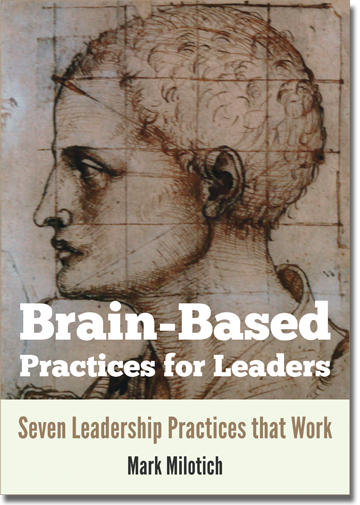
Chock full of the latest brain science to explain not just what you should do to be a great leader & manager but importantly—WHY.
Well thought out and researched, brilliantly structured and with great and positive advice.
Great read, direct and to the point. No fluff. Great for reference.

Goals are Good But Habits Will Take You Further
We may not think about our habits often. Unlike goals, habits are not a one-time affair. We never "achieve" a habit. We can only strengthen it. By cultivating the right habits and routines, we will accomplish more in the long run.

Don’t Trust the Reviews
Before I decide what to buy, I read the reviews. The more time I spend online, the more confused and frustrated I become. There is a better way. I will share with you my approach for navigating the review jungle to make better decisions. You can use the same approach to make any kind of decision at work or at home.

You Are What You Think: Being Resilient Does Not Require Being Right
When we experience a bad event, we ask ourselves why. Why did it happen? Why am I experiencing this? How we explain negative experiences to ourselves strongly influences whether our response is resilience or resignation. Optimism, not accuracy, is essential for resilience.

Don’t Fear Change—Fear Being Left Behind
A change whose time has come will be implemented, whether you like it or not. Will you be in the boat or treading water while the ship sails by? Or will you be on the bridge piloting the ship?

The Satisfaction Equation
There’s little we can do to ensure we only experience great outcomes. However, we can learn to experience more satisfaction, no matter what the outcome. The key to increasing satisfaction is managing expectations.

That’s a Mighty Personal Habit—How to Break Stubborn Routines
Anyone who’s ever tried to quit smoking, eat less or exercise more knows that changing personal habits is hard. The more often we repeat a routine behavior, the less we need to think about it. That’s one reason why entrenched behaviors are notoriously difficult to change—they happen without thinking.

Keeping Stakeholder Relationships On Course
Managing stakeholder expectations can feel like steering a boat through rough seas. The “seascape” around the project is constantly changing. In this article I introduce an approach for managing stakeholders to maximize support and minimize interference.
-
Goals are Good But Habits Will Take You Further
We may not think about our habits often. Unlike goals, habits are not a one-time affair. We never "achieve" a habit. We can only strengthen it. By cultivating the right habits and routines, we will accomplish more in the long run.
-
Don’t Trust the Reviews
Before I decide what to buy, I read the reviews. The more time I spend online, the more confused and frustrated I become. There is a better way. I will share with you my approach for navigating the review jungle to make better decisions. You can use the same approach to make any kind of decision at work or at home.
-
You Are What You Think: Being Resilient Does Not Require Being Right
When we experience a bad event, we ask ourselves why. Why did it happen? Why am I experiencing this? How we explain negative experiences to ourselves strongly influences whether our response is resilience or resignation. Optimism, not accuracy, is essential for resilience.
-
Don’t Fear Change—Fear Being Left Behind
A change whose time has come will be implemented, whether you like it or not. Will you be in the boat or treading water while the ship sails by? Or will you be on the bridge piloting the ship?
-
The Satisfaction Equation
There’s little we can do to ensure we only experience great outcomes. However, we can learn to experience more satisfaction, no matter what the outcome. The key to increasing satisfaction is managing expectations.